
19 February 2026 Back to News
Celebrating the Museum's birthday
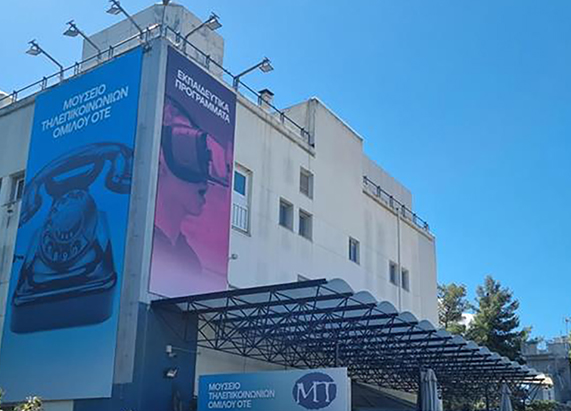
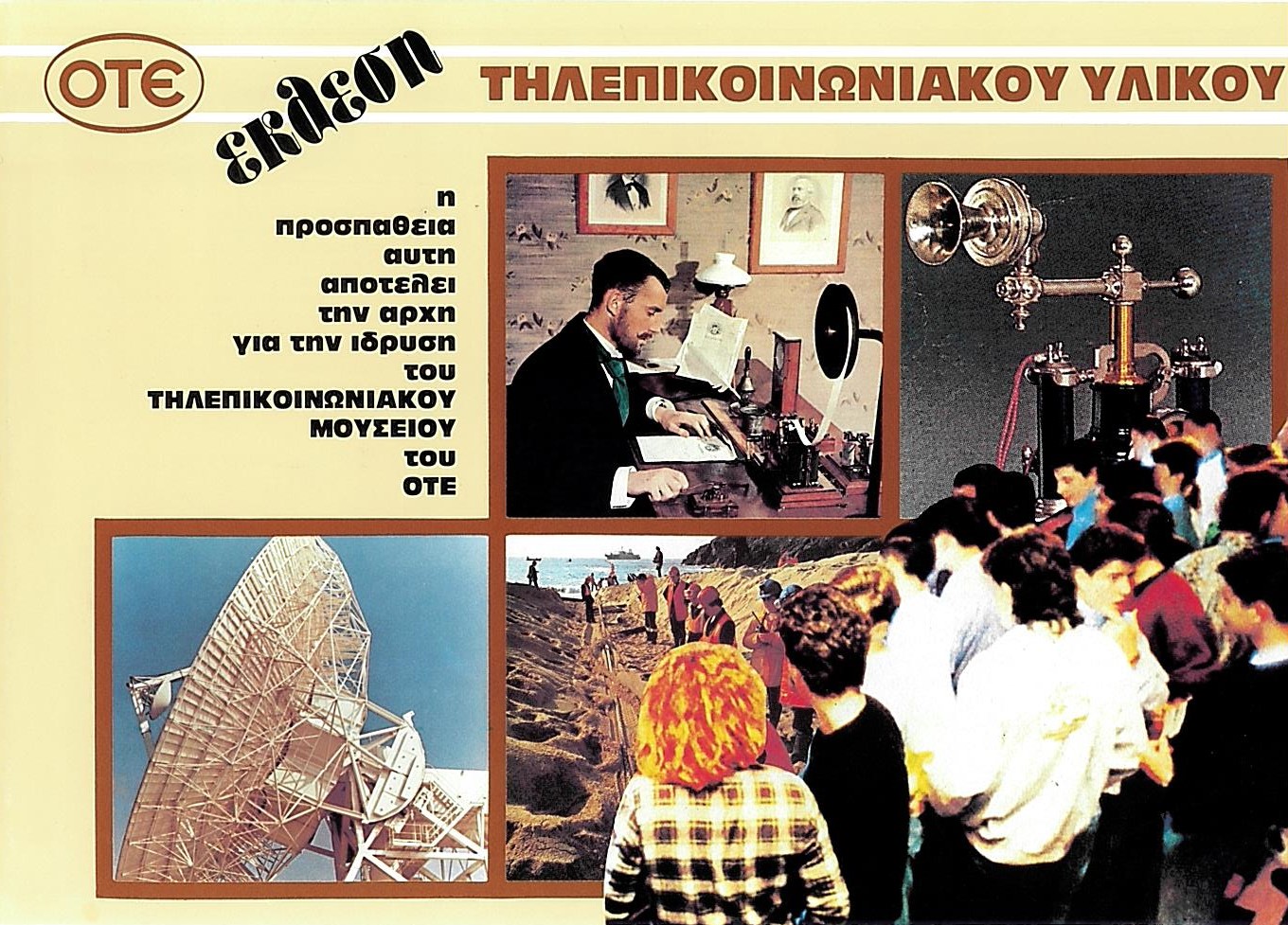
It was February 19, 1990, when the Telecommunications Museum opened its doors in the building at 25 Proteos Street, which housed the Nea Kifissia Urban Telecommunications Center.
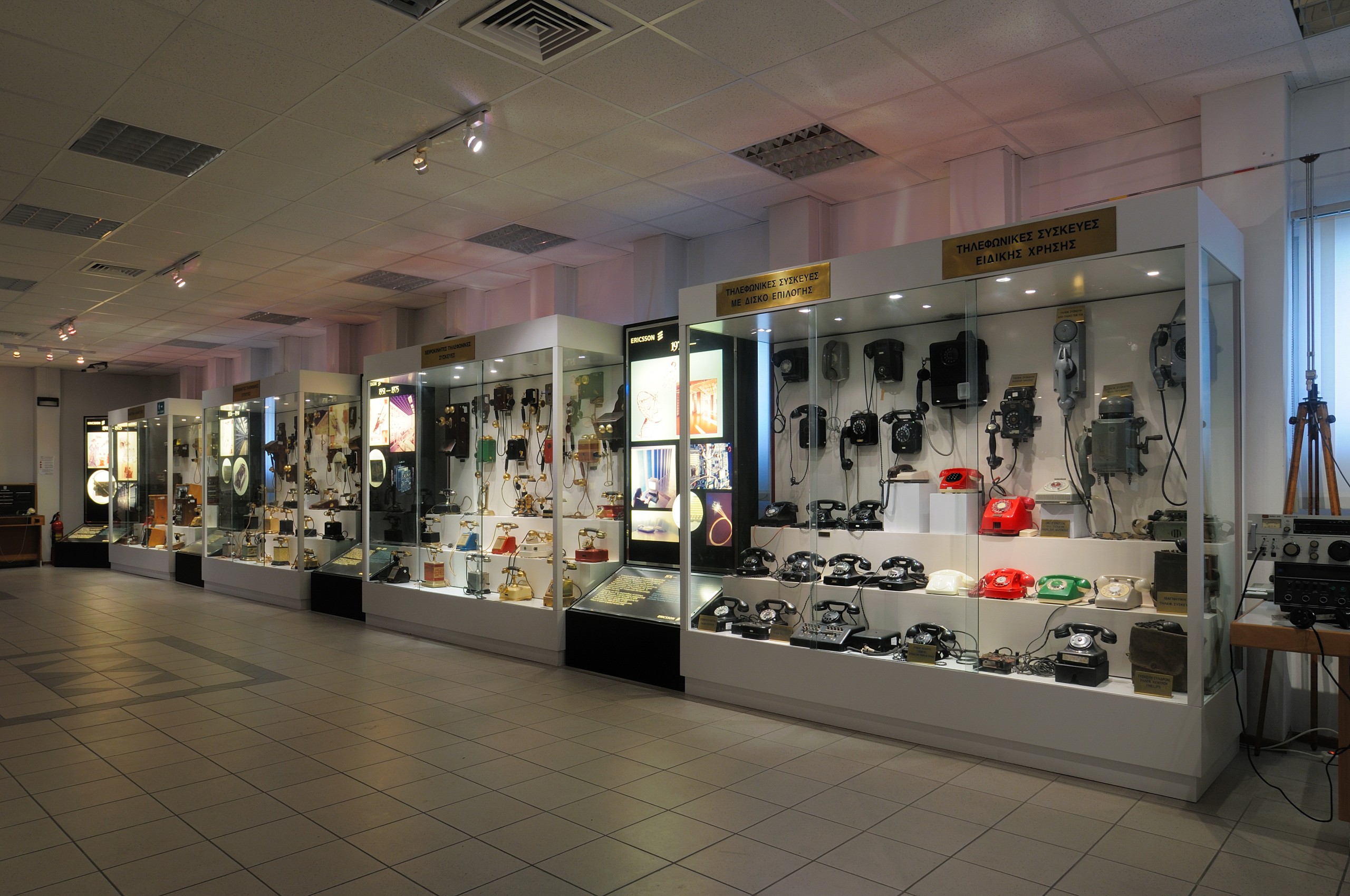
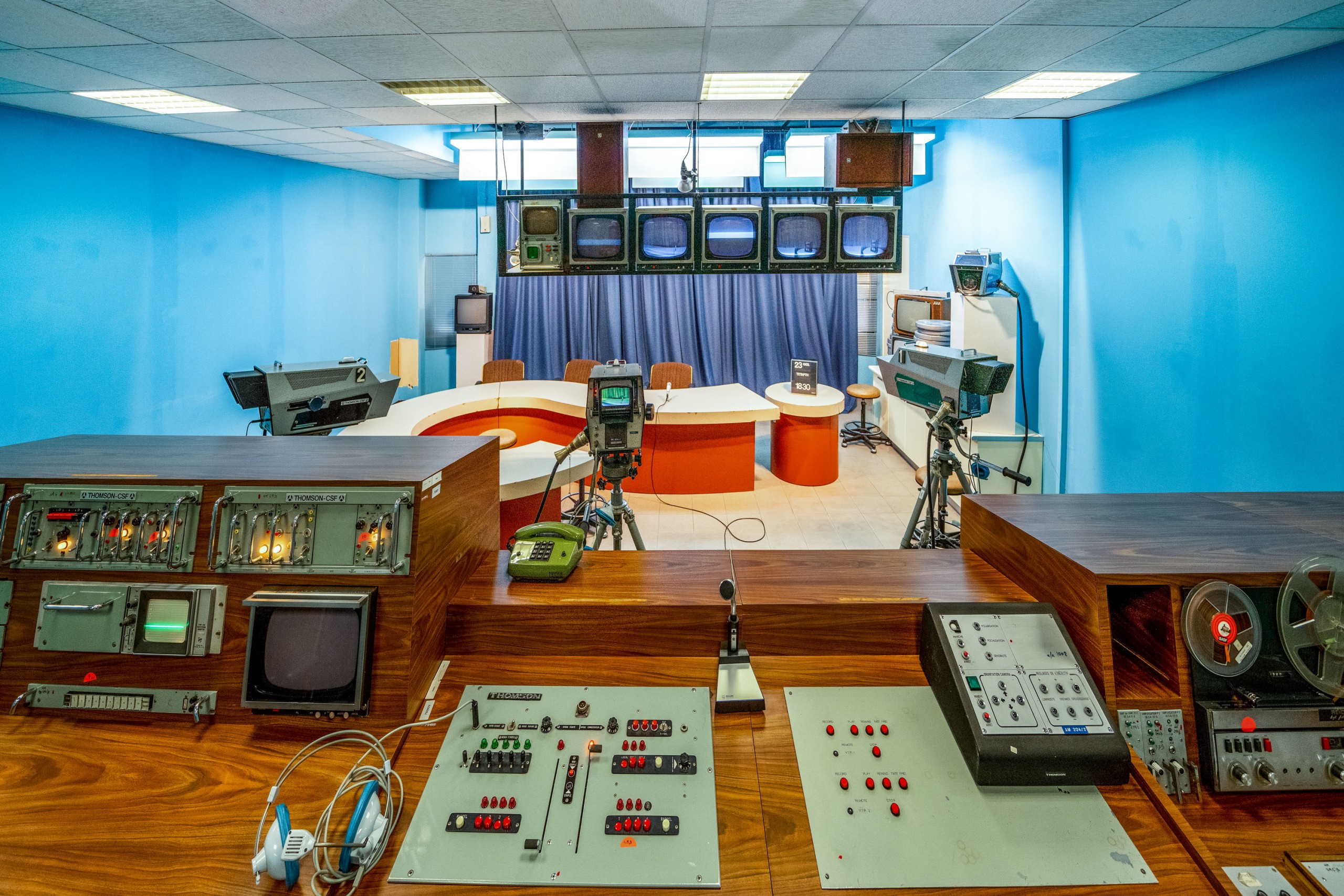
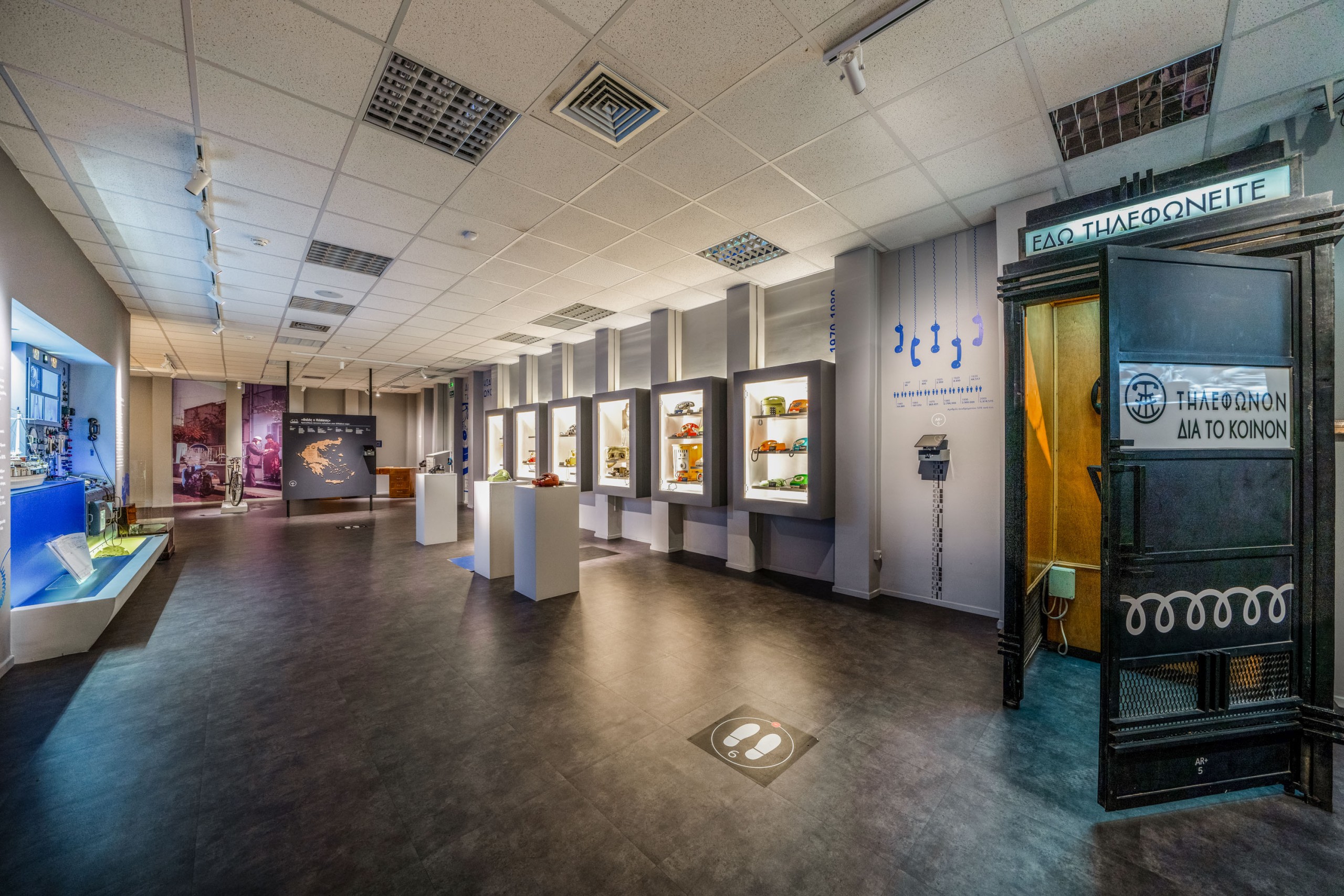
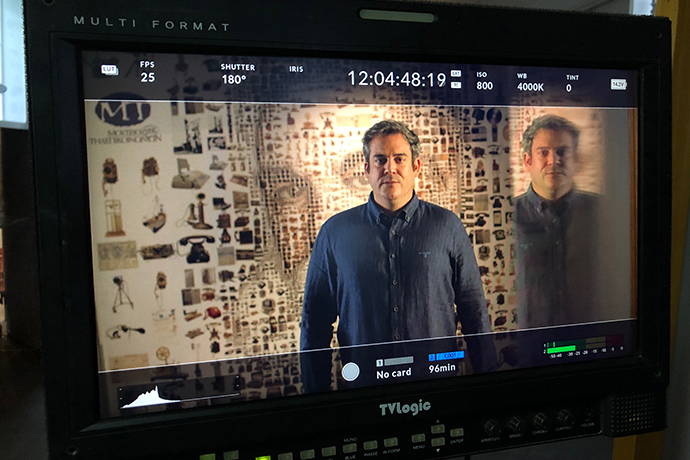
The "Telecommunications Equipment Exhibition," as it was then called, was housed on the second floor of the building and included some of the oldest exhibits of the current Museum: telegraph equipment, manual and automatic telephone devices, as well as one of the first television studios to operate in Greece. Since 1994, with the addition of the first floor, the Museum has begun to develop dynamically, enriching its collections and giving more visitors the opportunity to learn about the history of telecommunications up close.
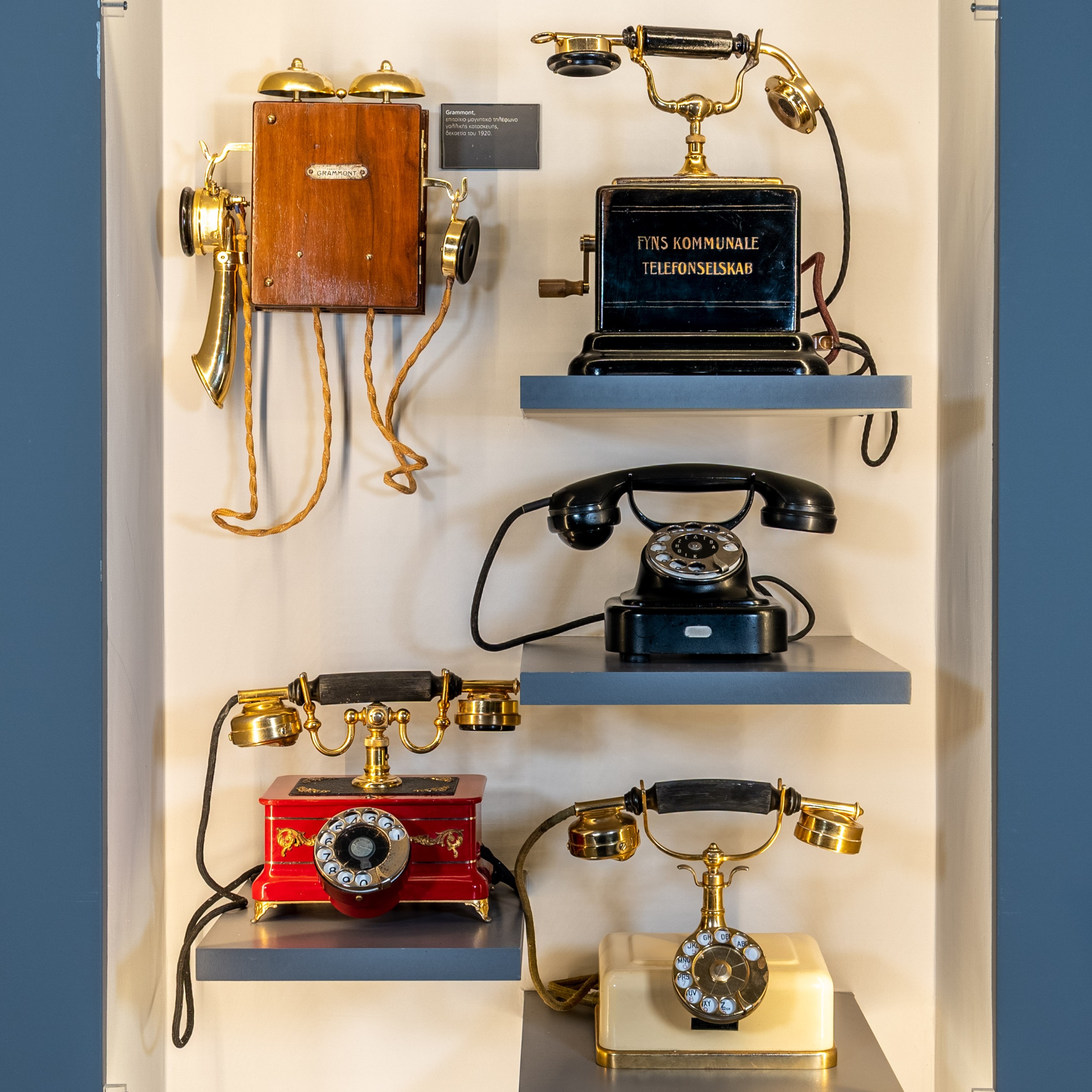
Today, the Museum's collections include more than 37,000 items, almost all of which have been documented and digitized. These are mainly telephone devices, telegraph instruments, photographs, telegrams, and archival material covering the history of telecommunications from the 19th century to the present day.
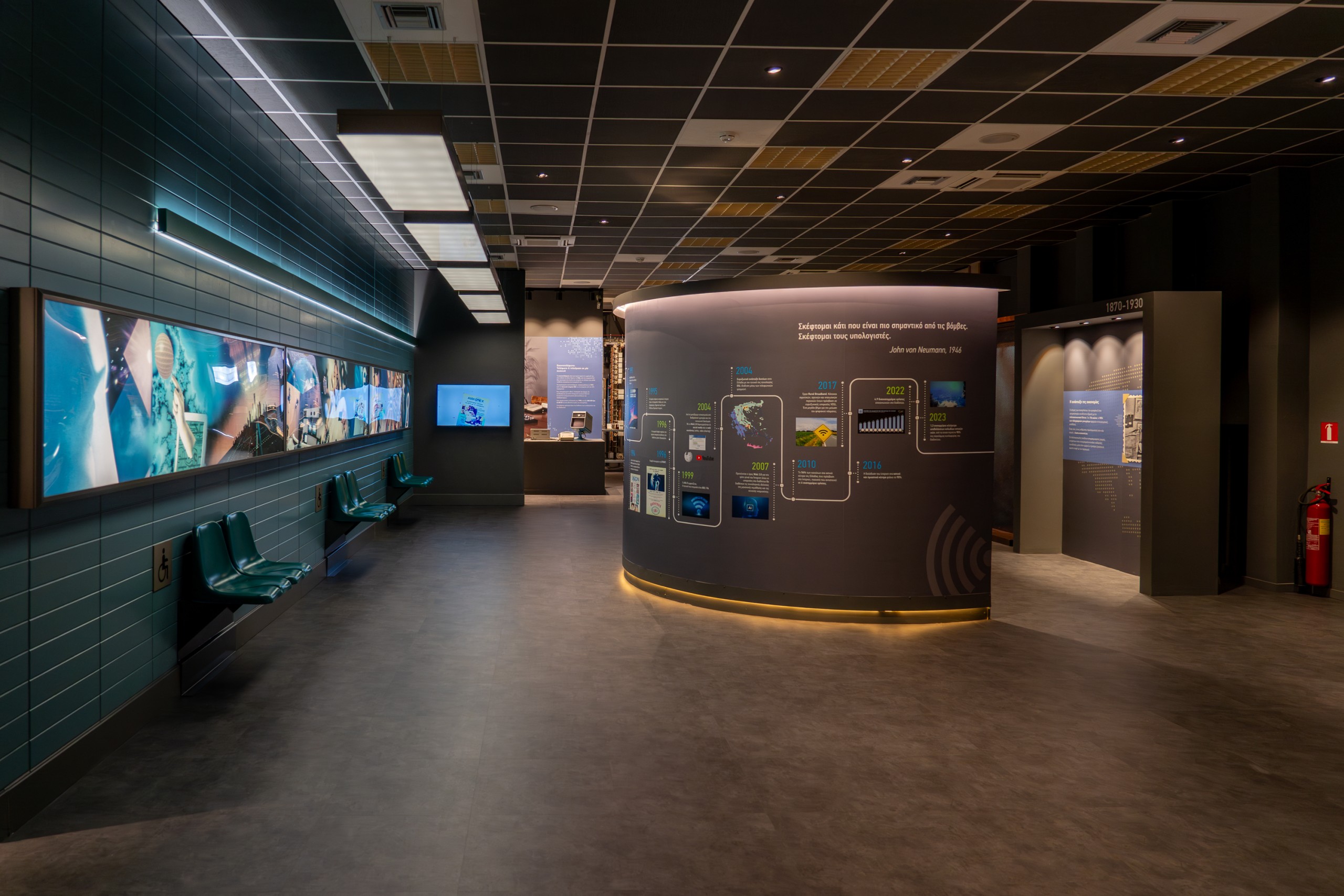
In 2017, the first floor of the Museum was renovated and the Library-Archive space was created, while a year later the Greek section of the International Council of Museums (ICOM) named the Telecommunications Museum as the Honored Greek Museum for its contribution to the promotion of technological culture. In 2024, the second floor was completely renovated, incorporating new thematic sections and completing a cycle of substantial infrastructure upgrades.
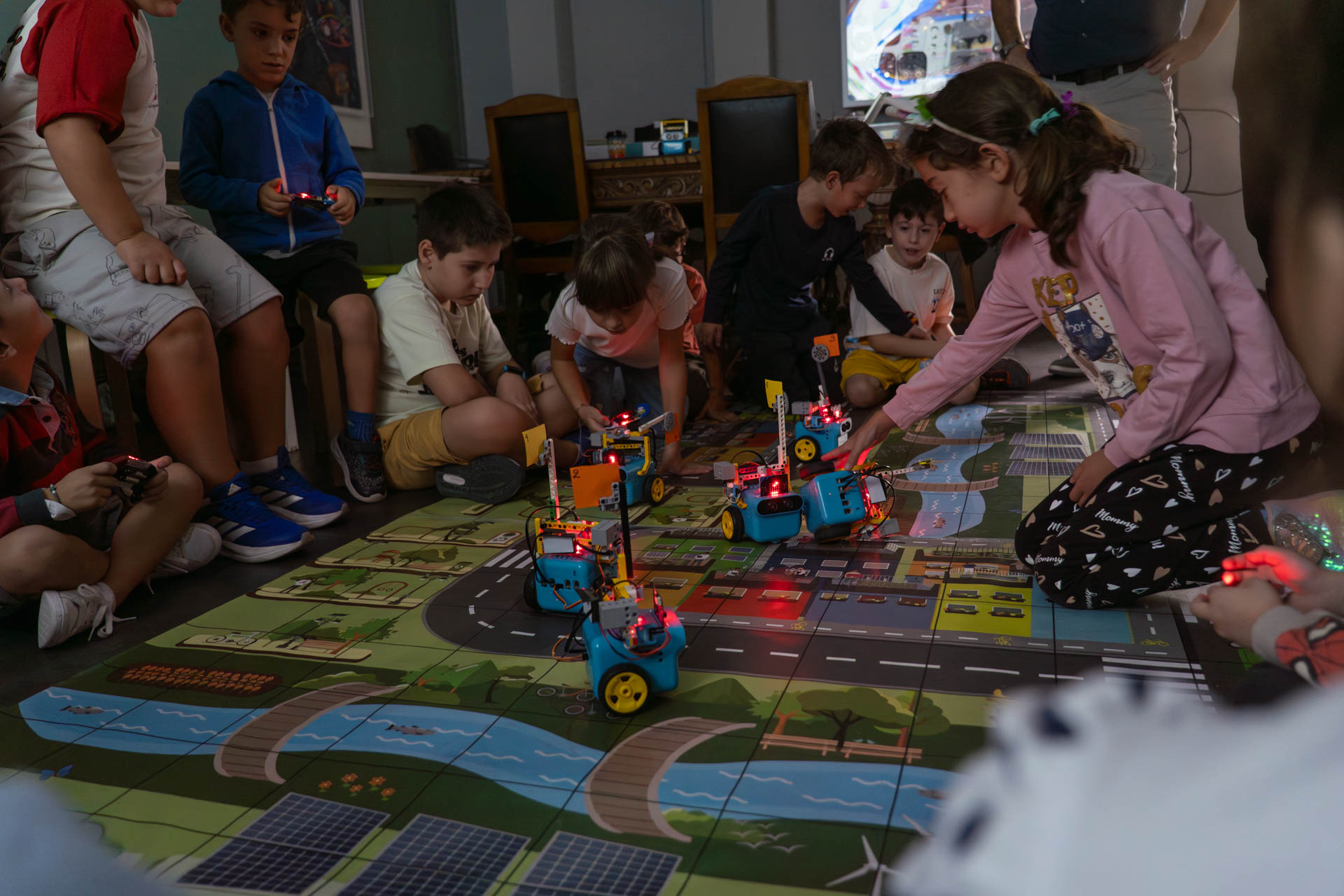
From the very first day of its operation, education has been the central focus of the Telecommunications Museum. Every year, more than 350 free educational programs are held, inspired by its collections and tailored to different audiences and age groups. Through guided tours, STEM workshops, visual arts and digital activities, the Museum offers everyone a unique experience of learning, exploration, creation and discovery of the exciting world of telecommunications!
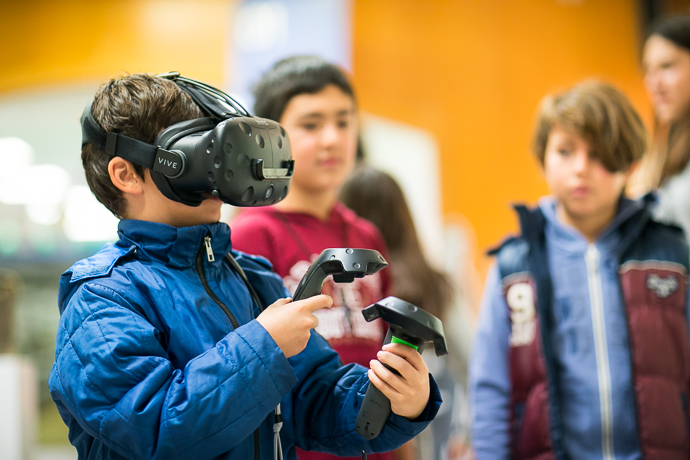
The use of modern technologies in the exhibition spaces, such as augmented and virtual reality (AR/VR) applications, enriches the museum experience, while the digital tools available on the museum's website (digital exhibition, virtual tour and digital guided tour), the Museum becomes accessible to everyone. In addition, the Museum is present on the digital cultural platforms Search Culture and Europeana, with more than 5,000 representative artifacts digitally available to the public. In the same spirit of outreach, it actively participates in the international dialogue on industrial and technological heritage as a member of ICOM, TICCIH and ERIH.
Thirty-six years after its establishment, the Telecommunications Museum is constantly evolving, remaining faithful to its mission: to preserve, document, and highlight the history of telecommunications, connecting the past with the present and future of technology.